A devastating incident in Brazil has ignited widespread public concern regarding safety procedures within the adventure tourism sector. A 21-year-old woman lost her life during an organized bridge-jumping event in São Paulo state. The fatal tragedy took place at a well-known local structure called the “Skeleton Bridge” in Limeira.
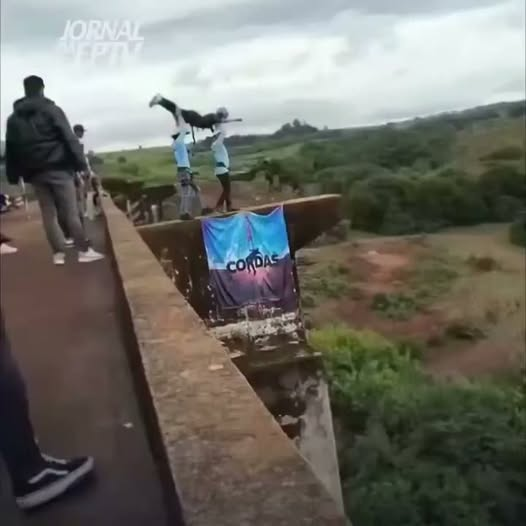
Initial reports from authorities suggest that a critical safety procedure was skipped before she moved off the platform. Investigators believe the young participant’s safety rope was completely unattached at the time of her jump. As a direct result, she fell approximately 40 meters (131 feet) down to the ground below. Emergency medical responders rushed to the location immediately, but the fall unfortunately proved fatal.
Investigation Launches Into Alleged Negligence at “Skeleton Bridge”
The heartbreaking case has drawn immense attention across Brazil and from international communities. Public interest intensified significantly after reports revealed that the entire tragedy was captured on video footage. However, law enforcement officials and major news organizations are focusing strictly on the active investigation.
Police have officially launched a formal inquiry into the exact circumstances surrounding the fatal fall. Following the event, authorities detained six individuals who were directly connected to the jumping operation. Investigators are currently examining whether the team followed proper safety protocols during the activity.
Key Factors Under Review by Investigators
- Witness Accounts: Detectives are thoroughly reviewing statements provided by eyewitnesses at the scene.
- Operational Logs: The company’s training records and operational histories are being systematically analyzed.
- Negligence Assessment: Officials are determining if professional negligence played a role in the fatal outcome.
- The Jump Sequence: A core focus of the inquiry is the exact sequence of events prior to the launch.
The Critical Role of Multi-Layered Safety Protocols
High-altitude adventure activities generally rely on multiple, redundant layers of equipment verification. Standard operating procedures typically require staff members to conduct repetitive equipment checks on every single participant. These rigorous safety checks usually involve visual inspections, verbal confirmations, and secondary verification by other team members.
Detectives are attempting to identify whether a major breakdown occurred within this verification process. Furthermore, authorities are examining broader questions regarding the company’s licensing, official oversight, and regulatory compliance. Part of the ongoing investigation will verify if all necessary permissions and certifications were valid at the time.
Human Error and the Risks of Adventure Sports
Industry experts point out that recreational jumping activities are generally safe when strict professional supervision is maintained. However, the entire adventure sports industry relies heavily on consistent, unwavering adherence to established safety guidelines. Even a single overlooked step during preparation can lead to catastrophic and irreversible consequences.
Safety specialists emphasize that these verification layers are specifically engineered to eliminate potential human error. When multiple safeguards function as intended, severe accidents during these events become exceptionally rare. Conversely, if one or more safety barriers fail simultaneously, the operational risks escalate dramatically.
Public Trust and the Call for Stricter Industry Standards
This tragedy has sparked renewed national conversations about the overall safety culture within recreational tourism. Observers note that participants place an immense amount of personal trust in the organizers of extreme sports. This vital trust depends entirely on comprehensive staff training, rigid procedures, clear communication, and meticulous attention to detail.
For the grieving family and loved ones of the victim, the priority remains obtaining definitive answers. Meanwhile, forensic teams and investigators continue to collect evidence and analyze all available data from the site. Legal experts indicate that establishing liability will require an extensive analysis of documentation and witness testimonies.
Until the official investigation officially concludes, many critical questions surrounding the accident will remain unanswered. Authorities have publicly urged citizens to refrain from speculation and allow the legal system to work. This case serves as a sobering reminder of why strict protocols are essential when mistakes carry permanent consequences. The official inquiry remains active, and authorities plan to share more updates as verified facts emerge.